Call +(254) 703 030 000 / 751 483 999 / 721 704 777

Grow Lights for Indoor Plants
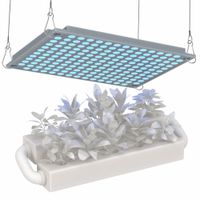
Grow lights emit light in color spectrums that optimize seedling growth, stem and leaf growth, or budding and flowering to grow plants indoors. They are rated for wet locations to withstand high humidity and resist water sprays. Grow lights are used in greenhouses, hydroponic gardening, vertical far .....Read More
Frequently Asked Questions
What are the best grow lights for indoor plants?
The best grow lights for indoor plants depend on the specific needs of the plants, but generally, LED grow lights, fluorescent lights, and HID lights are popular choices.
1. **LED Grow Lights**: These are energy-efficient, long-lasting, and produce less heat, making them ideal for indoor gardening. They offer a full spectrum of light, which can be adjusted to suit different plant stages. Brands like Spider Farmer, Mars Hydro, and Viparspectra are well-regarded for their performance and affordability.
2. **Fluorescent Lights**: T5 and CFL (Compact Fluorescent Lamp) lights are common for seedlings and low-light plants. They are cost-effective and emit less heat, reducing the risk of burning plants. T5 lights are particularly popular for their high output and efficiency.
3. **HID Lights**: High-Intensity Discharge lights, including Metal Halide (MH) and High-Pressure Sodium (HPS) lights, are powerful and suitable for larger setups. MH lights are good for vegetative growth, while HPS lights are better for flowering. They require more energy and produce more heat, necessitating proper ventilation.
4. **Full-Spectrum Lights**: These mimic natural sunlight and are suitable for all growth stages. They are available in LED and fluorescent options and are ideal for those who want a single solution for their plants.
5. **Considerations**: When choosing grow lights, consider the light spectrum, intensity, energy efficiency, heat output, and coverage area. The type of plants, their growth stage, and the size of the growing area will also influence the choice.
Ultimately, LED grow lights are often recommended for their versatility, efficiency, and technological advancements, making them suitable for a wide range of indoor gardening applications.
How do grow lights work for plant growth?
Grow lights work by providing artificial light that mimics the natural sunlight necessary for photosynthesis, the process by which plants convert light energy into chemical energy to fuel their growth. These lights are designed to emit specific wavelengths of light that are most beneficial for plant growth, primarily in the blue and red spectrums.
Blue light (400-500 nm) is crucial during the vegetative stage of a plant's growth cycle. It promotes the development of strong stems, healthy leaves, and overall structural integrity. Red light (600-700 nm), on the other hand, is essential during the flowering and fruiting stages, as it encourages blooming and fruit production.
Grow lights come in various types, including fluorescent, LED, and high-intensity discharge (HID) lights. Each type has its advantages and disadvantages:
1. **Fluorescent Lights**: These are energy-efficient and produce a broad spectrum of light. They are suitable for seedlings and young plants but may not provide enough intensity for mature plants.
2. **LED Lights**: Known for their energy efficiency and long lifespan, LED grow lights can be customized to emit specific wavelengths. They produce less heat, reducing the risk of burning plants, and are suitable for all growth stages.
3. **HID Lights**: These include metal halide (MH) and high-pressure sodium (HPS) lights. MH lights emit more blue light, making them ideal for vegetative growth, while HPS lights emit more red light, suitable for flowering. They are powerful but consume more energy and generate significant heat.
By adjusting the light spectrum, intensity, and duration, growers can optimize conditions for different plant species and growth stages, ensuring healthy development and maximizing yield.
What color spectrum is best for seedling growth?
The best color spectrum for seedling growth is primarily in the blue light range, typically between 400-500 nanometers. Blue light is crucial for the vegetative growth phase of plants, as it promotes strong, healthy stems and leaves. It helps in the development of chlorophyll, which is essential for photosynthesis, and encourages compact, bushy growth, which is ideal for seedlings.
While blue light is critical, a full spectrum that includes red light (around 600-700 nanometers) is also beneficial. Red light supports the later stages of plant growth, such as flowering and fruiting, but it also plays a role in seedling development by influencing root growth and overall plant vigor. A combination of blue and red light can create a balanced environment that supports robust seedling growth.
Some growers use full-spectrum LED lights that mimic natural sunlight, providing a balanced range of wavelengths that include blue, red, and other colors like green and far-red. These lights can be advantageous as they offer a comprehensive light environment that can support all stages of plant growth, from seedlings to mature plants.
In summary, while blue light is most effective for seedling growth, incorporating a full spectrum that includes red light can enhance overall plant health and development.
Can grow lights be used in high humidity environments?
Yes, grow lights can be used in high humidity environments, but there are several considerations to ensure their effective and safe operation.
Firstly, it's important to choose grow lights that are specifically designed for high humidity conditions. These lights often have protective coatings or are sealed to prevent moisture ingress, which can cause electrical shorts or corrosion. LED grow lights are generally more suitable for humid environments compared to traditional HID or fluorescent lights, as they generate less heat and are often more robustly constructed.
Secondly, proper ventilation is crucial. High humidity can lead to condensation on the lights, which can be hazardous. Ensuring good airflow around the lights can help mitigate this risk. Using fans or dehumidifiers can help maintain a stable environment, reducing the likelihood of moisture-related issues.
Thirdly, consider the placement of the grow lights. Position them in a way that minimizes direct exposure to water or mist. If the grow area uses misting systems or has a high level of water vapor, ensure that the lights are mounted securely and away from direct spray.
Additionally, regular maintenance and inspection are important. Check for any signs of moisture damage or corrosion on the lights and their fixtures. Clean the lights periodically to remove any buildup of moisture or dust, which can affect their performance and longevity.
Finally, always follow the manufacturer's guidelines for installation and operation in humid conditions. This includes adhering to any specific recommendations for humidity levels and ensuring that all electrical connections are secure and protected from moisture.
By taking these precautions, grow lights can be effectively and safely used in high humidity environments, supporting healthy plant growth.
How long should grow lights be on each day?
The duration for which grow lights should be on each day depends on the type of plants being grown and their specific light requirements. Generally, plants are categorized into three main types based on their photoperiod needs: short-day, long-day, and day-neutral plants.
1. **Short-Day Plants**: These plants require longer periods of darkness and shorter periods of light to flower. Examples include chrysanthemums and poinsettias. For these plants, grow lights should typically be on for about 8 to 12 hours per day.
2. **Long-Day Plants**: These plants need longer periods of light to trigger flowering. Examples include spinach and lettuce. For long-day plants, grow lights should be on for about 14 to 18 hours per day.
3. **Day-Neutral Plants**: These plants are not sensitive to the length of the light period for flowering. Examples include tomatoes and peppers. For day-neutral plants, a balanced light period of about 12 to 16 hours per day is usually sufficient.
In addition to the type of plant, other factors such as the growth stage of the plant, the intensity of the grow lights, and the natural light available should be considered. Seedlings and young plants often require more light, around 16 to 18 hours per day, to support rapid growth. Mature plants may need less light, depending on their specific needs.
It's important to mimic natural light cycles as closely as possible to avoid stressing the plants. Using a timer can help maintain consistent light periods. Adjustments may be necessary based on plant response, so monitoring plant health and growth is crucial.
What is the difference between LED and fluorescent grow lights?
LED grow lights use light-emitting diodes to produce light, offering high energy efficiency, longer lifespan, and lower heat output compared to fluorescent lights. They provide a full spectrum of light, which can be tailored to the specific needs of plants at different growth stages. LEDs are more durable and environmentally friendly, as they contain no hazardous materials like mercury.
Fluorescent grow lights, such as T5, T8, and compact fluorescent lamps (CFLs), use gas-discharge technology to produce light. They are generally less expensive upfront but have a shorter lifespan and lower energy efficiency than LEDs. Fluorescent lights emit more heat, which can be beneficial in cooler environments but may require additional cooling in warmer settings. They typically offer a limited spectrum, often requiring multiple bulbs to cover the full range of light needed for plant growth.
In summary, LED grow lights are more energy-efficient, have a longer lifespan, and offer customizable light spectrums, while fluorescent grow lights are cheaper initially but less efficient and have a shorter lifespan.
How do I choose the right grow light for my plants?
1. **Plant Type**: Determine the specific light requirements of your plants. Some plants need full-spectrum light, while others may thrive under specific wavelengths.
2. **Light Spectrum**: Choose a grow light that offers the appropriate spectrum. Full-spectrum lights mimic natural sunlight and are suitable for most plants. Red and blue lights are often used for specific growth stages.
3. **Light Intensity**: Consider the light intensity needed. High-light plants like tomatoes require more intense light compared to low-light plants like ferns.
4. **Coverage Area**: Measure the area you need to illuminate. Ensure the grow light can cover this space effectively. Larger areas may require multiple lights or a light with a wide coverage.
5. **Type of Grow Light**:
- **LED**: Energy-efficient, long-lasting, and available in full-spectrum options.
- **Fluorescent**: Good for seedlings and low-light plants, but less efficient than LEDs.
- **HID (High-Intensity Discharge)**: Provides intense light, suitable for high-light plants, but consumes more energy.
6. **Energy Efficiency**: Consider the energy consumption of the grow light. LEDs are generally the most energy-efficient option.
7. **Heat Output**: Check the heat output of the light. High heat can damage plants, so ensure adequate ventilation or choose lights with low heat emission.
8. **Adjustability**: Look for lights with adjustable height and intensity to accommodate different growth stages.
9. **Budget**: Determine your budget. While LEDs may have a higher upfront cost, they save money in the long run due to energy efficiency and longevity.
10. **Brand and Reviews**: Research brands and read reviews to ensure reliability and performance.
11. **Installation and Maintenance**: Consider ease of installation and maintenance requirements. Choose a light that fits your setup and maintenance capabilities.